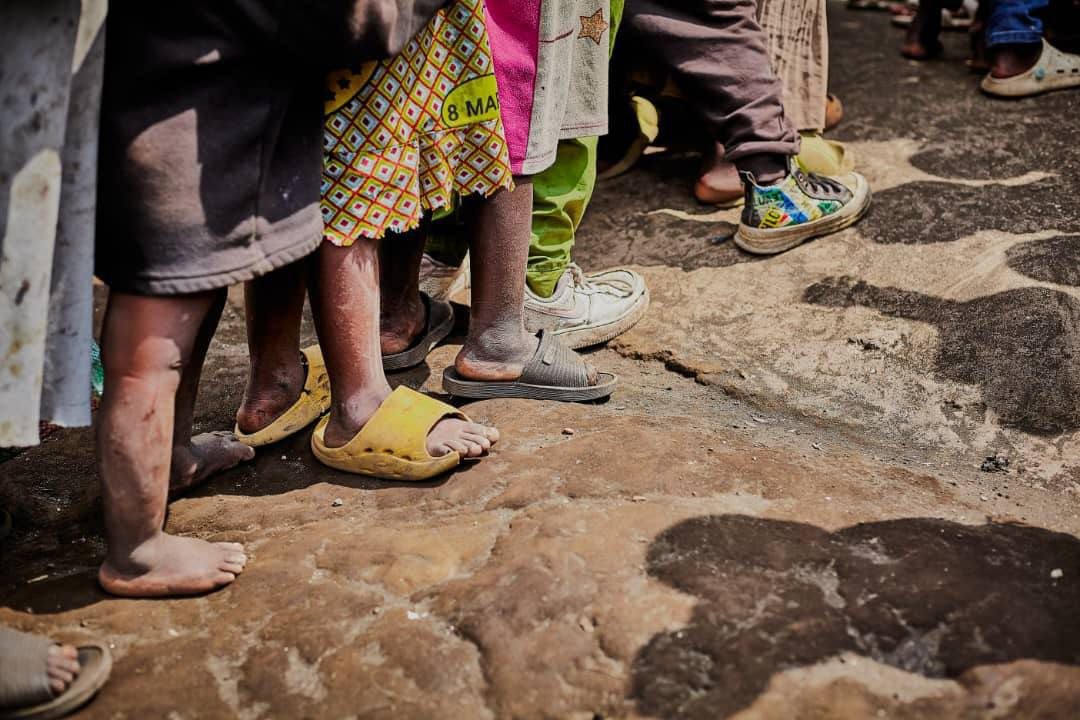
Ebola Outbreak in the Democratic Republic of the Congo: Awareness, Prevention & Humanitarian Support
Democratic Republic of the Congo continues to face recurring outbreaks of Ebola virus disease, a severe illness that affects vulnerable communities and places significant pressure on public health systems.
While global health agencies and local governments respond quickly to contain outbreaks, community awareness and prevention remain the most powerful tools in stopping transmission and saving lives.
⸻
What is Ebola Virus Disease?
Ebola is a highly infectious disease transmitted through direct contact with infected bodily fluids or contaminated materials.
Common transmission methods:
* Direct contact with infected persons
* Exposure to blood or bodily fluids
* Unsafe burial practices
* Contaminated medical equipment
Ebola does NOT spread through air, water, or casual contact.
Symptoms include:
* Fever and fatigue
* Severe headache
* Muscle pain
* Vomiting and diarrhea
* Internal or external bleeding in severe cases
Early detection is critical for survival and containment.
⸻
Why Ebola Outbreaks Continue in the DRC
The Democratic Republic of the Congo has experienced multiple outbreaks due to:
* Remote rural communities with limited healthcare access
* Delayed detection of early cases
* Population movement between regions
* Limited health infrastructure in high-risk areas
Despite these challenges, response systems have improved significantly over recent years.
⸻
Global Response and Coordination
Organizations such as the World Health Organization work alongside national health ministries and partners to:
* Identify and confirm cases quickly
* Isolate infected individuals
* Trace contacts to prevent spread
* Provide treatment and supportive care
* Educate communities on prevention
Local organizations also play a critical role in grassroots awareness.
⸻
Prevention Through Community Awareness
Stopping Ebola requires informed communities.
Key prevention practices:
* Regular handwashing with soap
* Avoiding contact with infected individuals
* Reporting symptoms early
* Safe burial practices by trained teams
* Following verified health guidance
Community education reduces fear, misinformation, and transmission.
⸻
Humanitarian Impact of Ebola Outbreaks
Beyond health effects, Ebola outbreaks often cause:
* Fear and stigma against survivors
* Disruption of education and livelihoods
* Pressure on hospitals and health workers
* Economic hardship for families
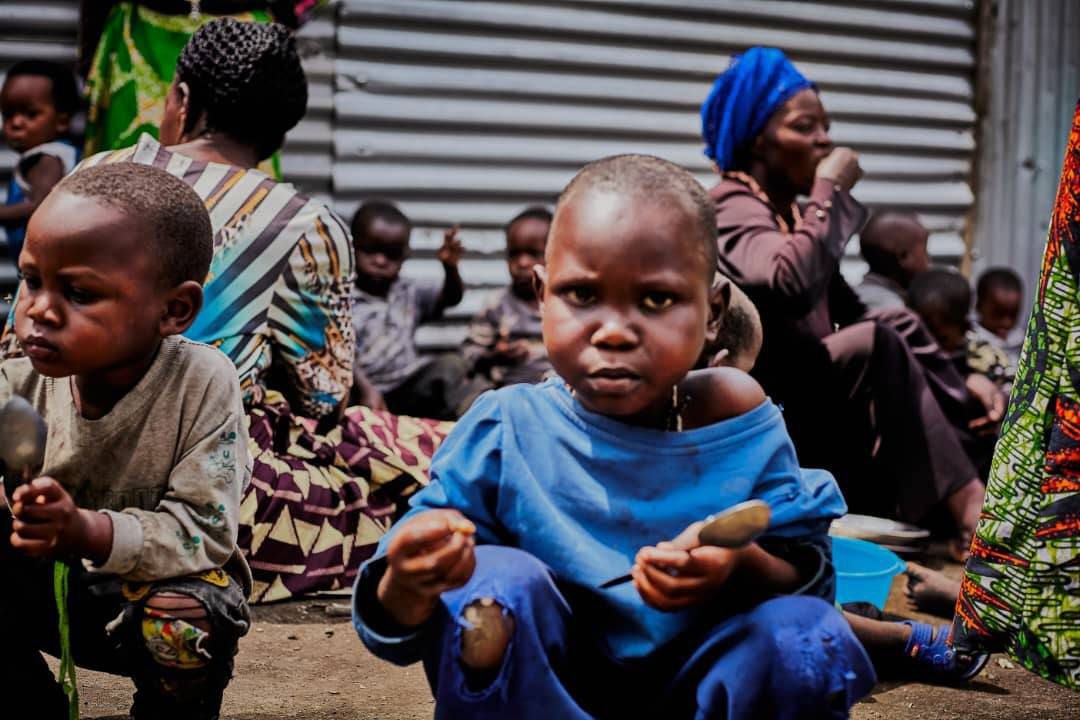
* Increased vulnerability among children
These challenges require both medical and social support systems.
⸻
How Collette Foundation Responds
Collette Foundation supports vulnerable communities through:
* Health education and awareness campaigns
* Community outreach programs
* Hygiene and disease prevention training
* Volunteer mobilization for education drives
* Support for affected families through partners
We believe prevention begins with knowledge, and informed communities save lives.
⸻
Why Donations Matter
Your support helps us:
* Reach more vulnerable communities
* Train local volunteers and educators
* Expand health awareness campaigns
* Support families affected by outbreaks
Even small contributions can help protect lives and strengthen community resilience.
⸻
Conclusion
Ebola remains a serious health challenge in parts of Africa, but it is preventable through awareness, early action, and community cooperation. Together, we can reduce its impact and protect vulnerable populations.
⸻